Street Photography is a Dead End
Or is it?
Hey there!
Today I’m going to ponder (rant) on the ever popular subject nowadays, which is street photography.
My relationship with street photography is complicated. I used to love it, I had a phase of aggressive hatred towards it, and now I am mostly indifferent.
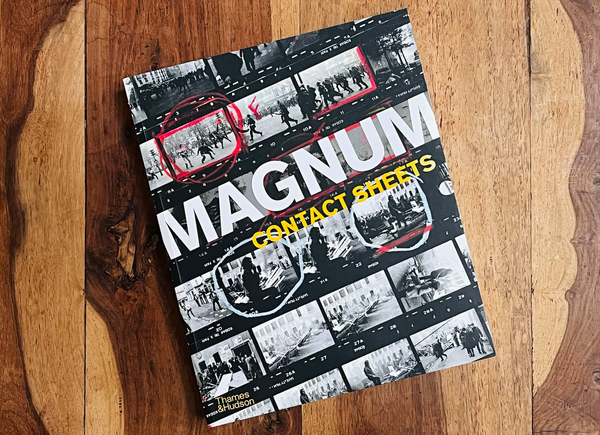
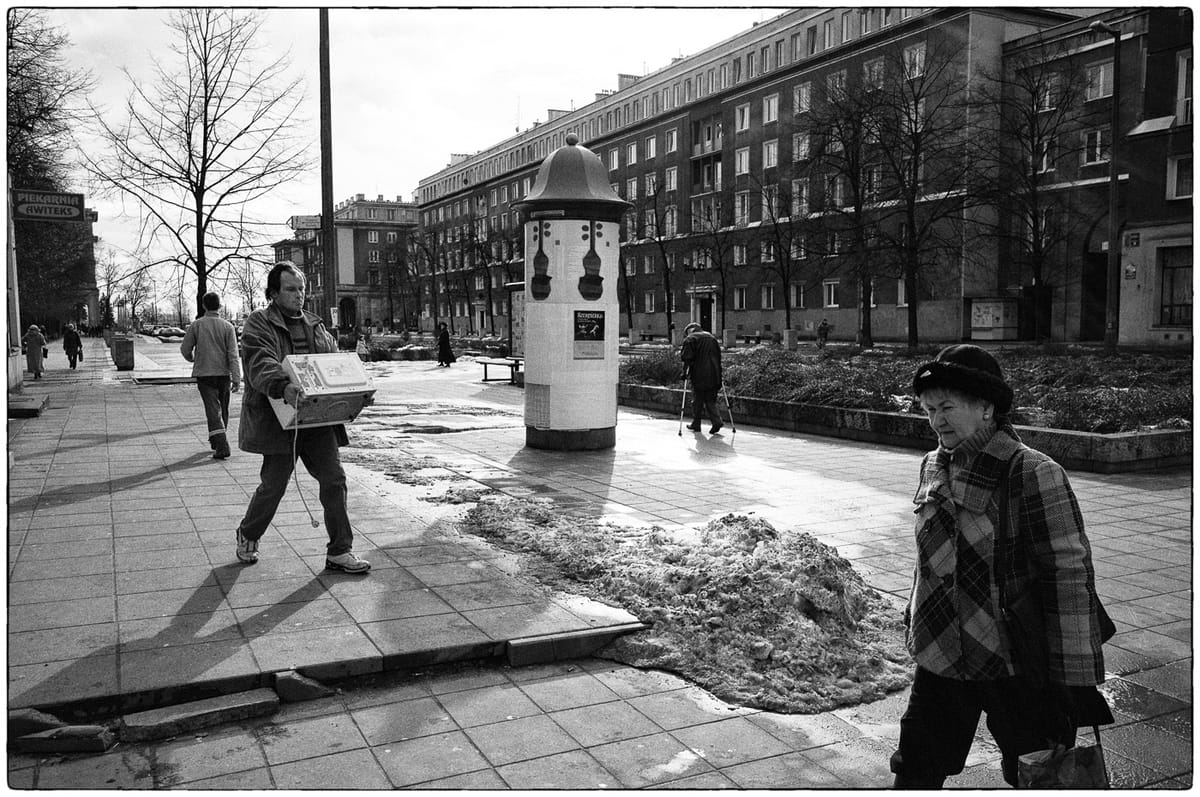
Way back in 2008, when I discovered that street photography is a thing, I was hooked. It seemed that it was the gateway to meaningful photography that I was seeking back then. At that time there was no instagram and no youtube influencers; people posted their photos on Flickr and on personal blogs, and we mostly used cameras for photography. Street photography was a niche, a genre many claimed did not exist, an off-cut from the portfolios of the greats at Magnum, but also a way of life for the select few who somehow managed to break through to the general conscience of the photographic community. It had all the qualities I was looking for, or so I thought.
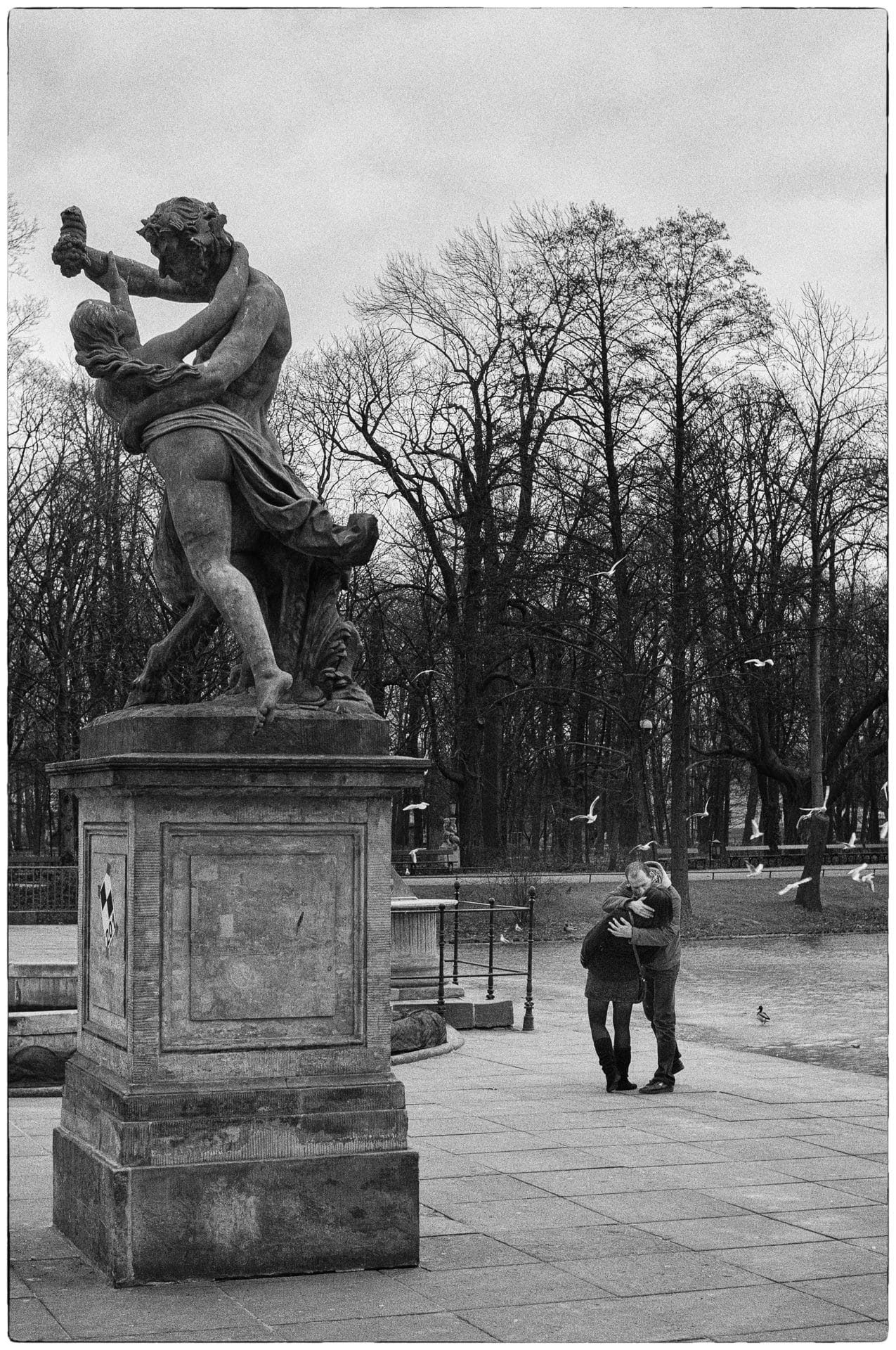
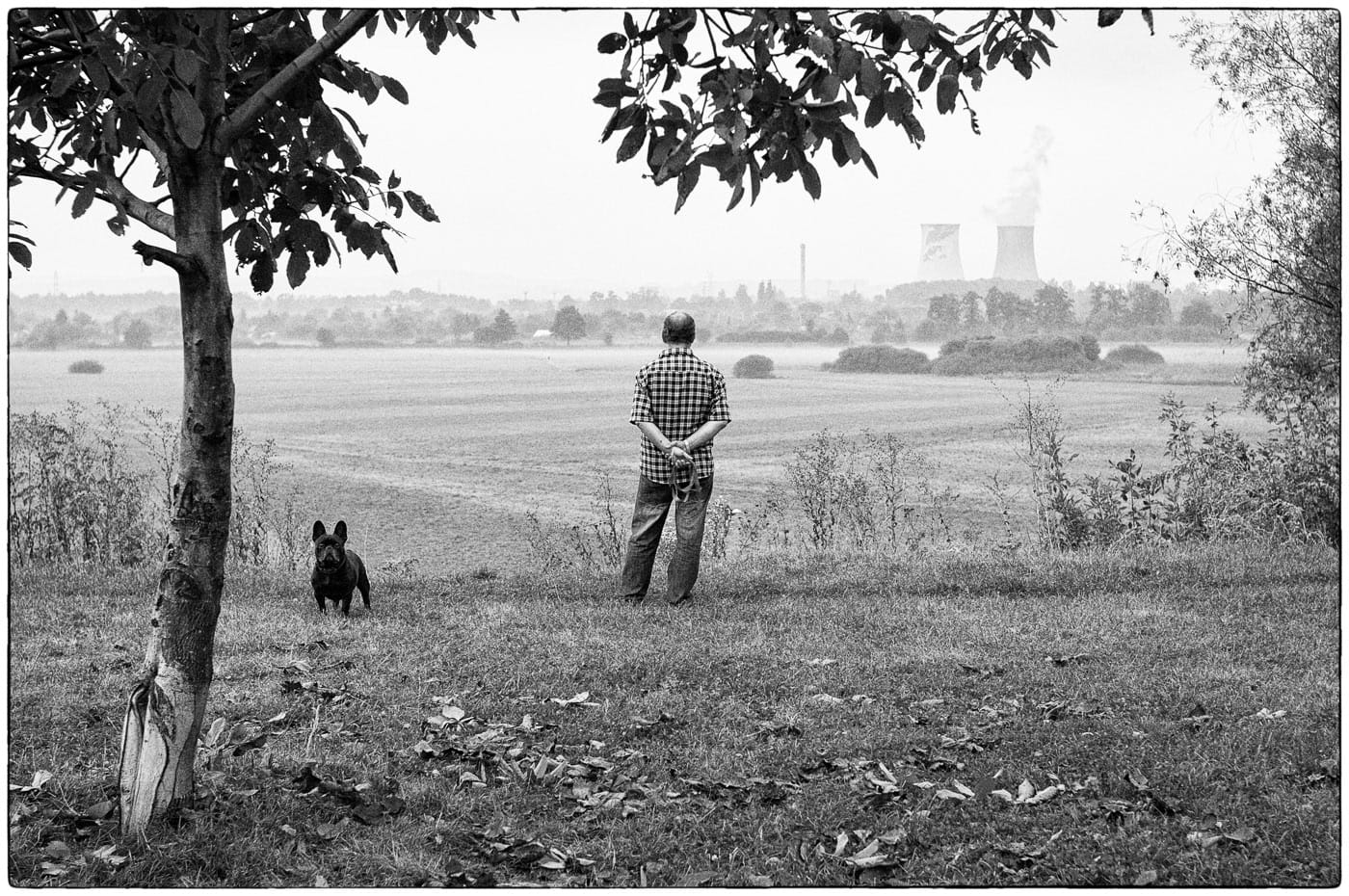
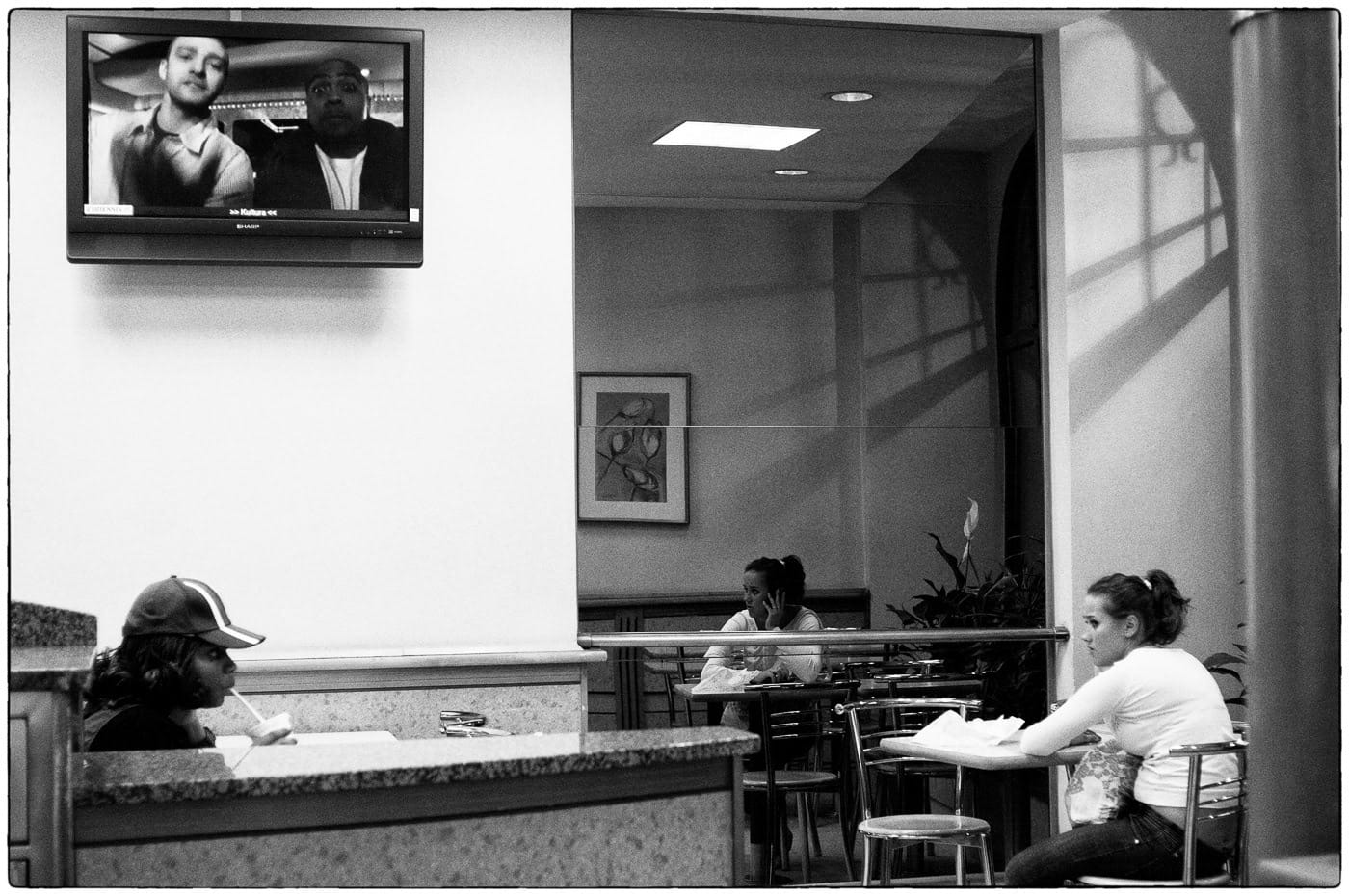
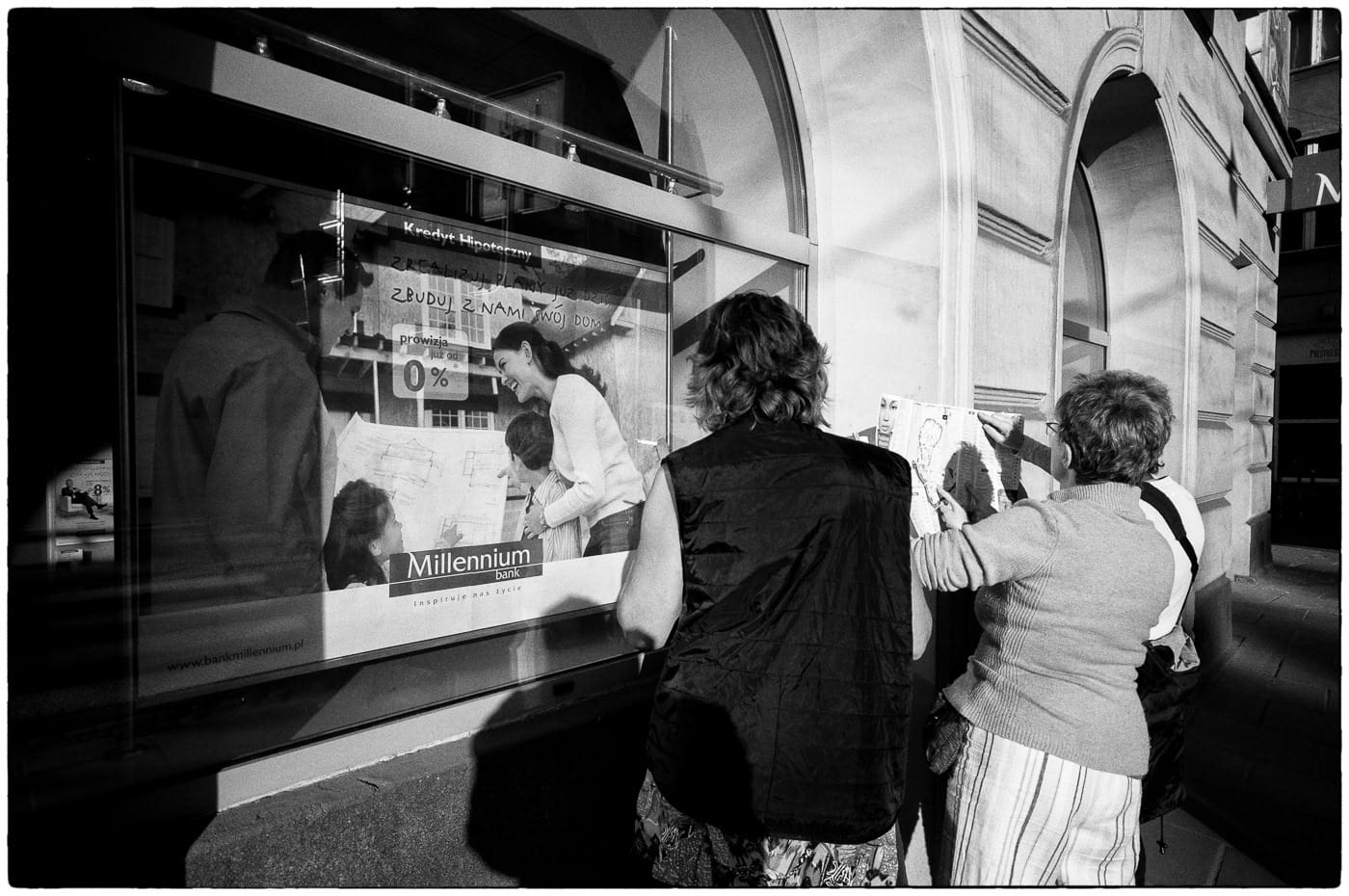
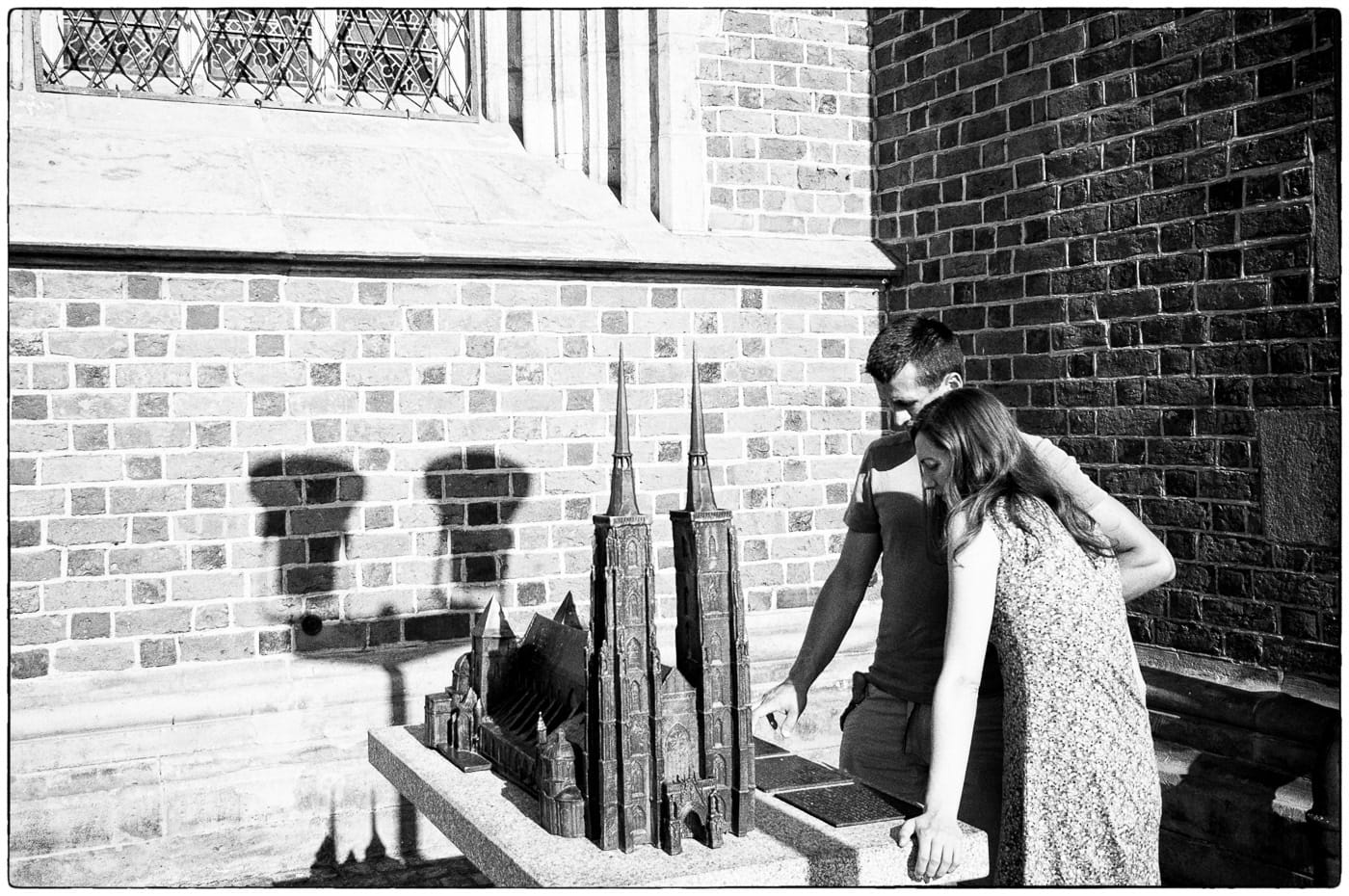
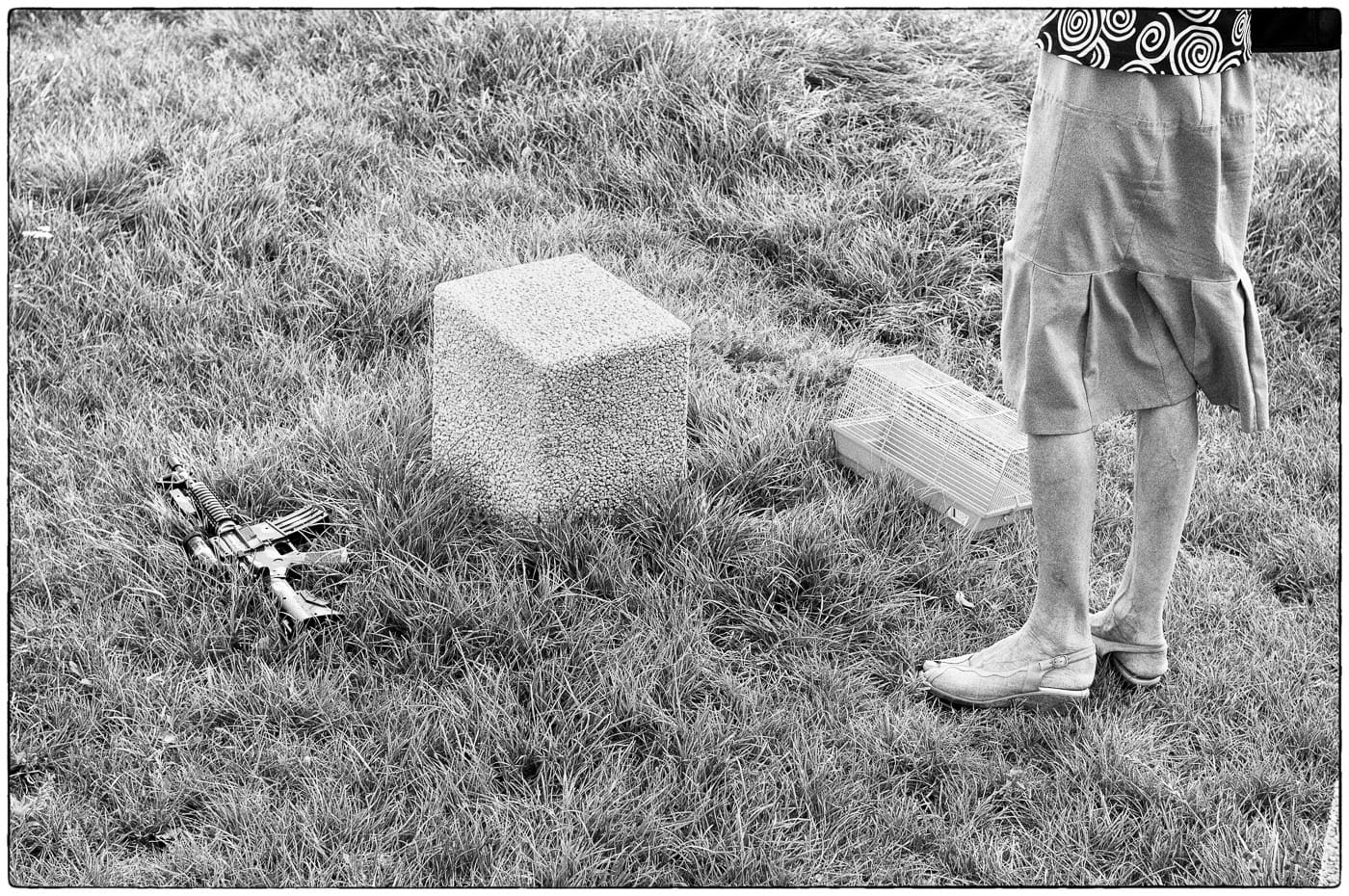
I became an avid practitioner, and for several years I was on the street everyday, seriously. When I wasn’t on the street with my camera, I was browsing the blogs of other street photographers, looking for information about the shooting techniques, about the best camera (Leica, duh) and so on. I remember reading a street photography manifesto by a random dude on the internet that I took in all seriousness. (Today, I would laugh it out loud). For reasons unbeknownst, I started to believe that street photography should be black and white, made on film, and preferably with a rangefinder and a wide-angle lens. Also, let’s not forget about “documenting human condition”; the utmost purpose of street photography, a turnkey answer for all those who doubted, one that made street photography IMPORTANT.
I quickly realised that these bangers of photographs I was so enamoured with, were not easy to replicate. My negatives and folders of RAWs were a study in mediocrity and failure. I had the largest photographic collection of people’s backs on the planet (oh the missed opportunities), possibly the largest collection of dogs leashed to a storefront (thank you Elliott), and a substantial portfolio of photos with a random person next to a poster. I learned the hard way that street photography, though very formulaic, is mostly an endeavour full of frustration.
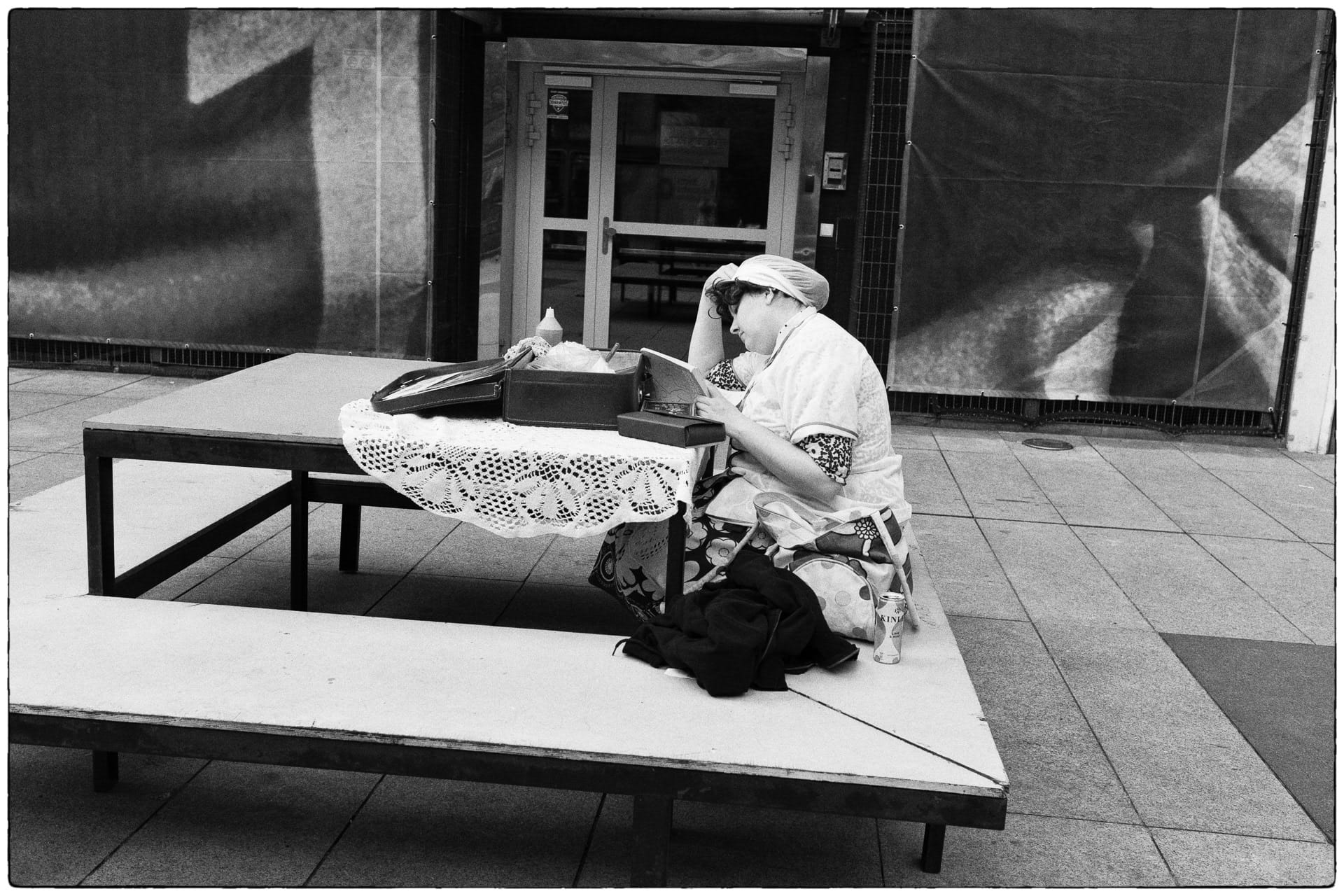
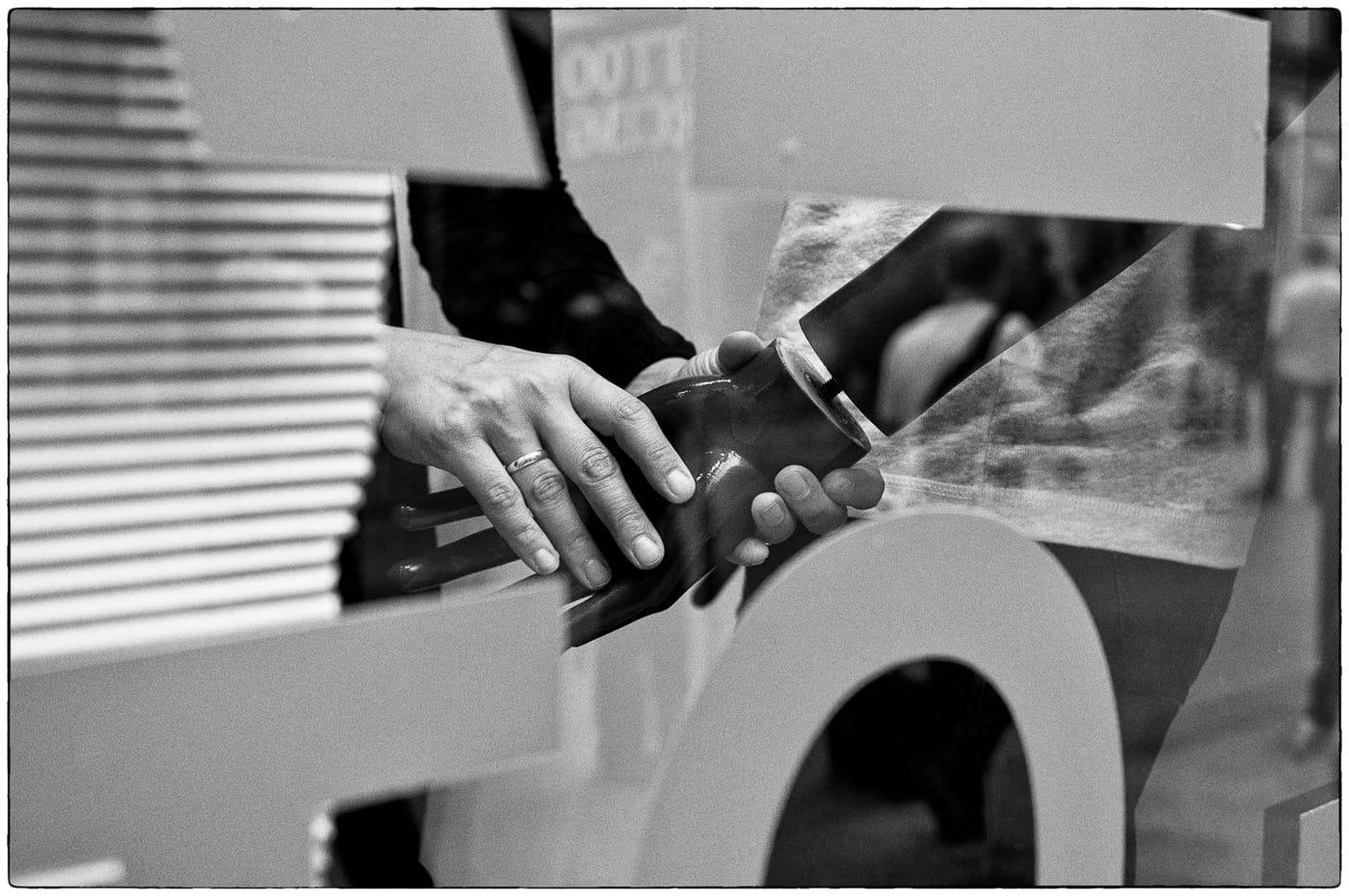
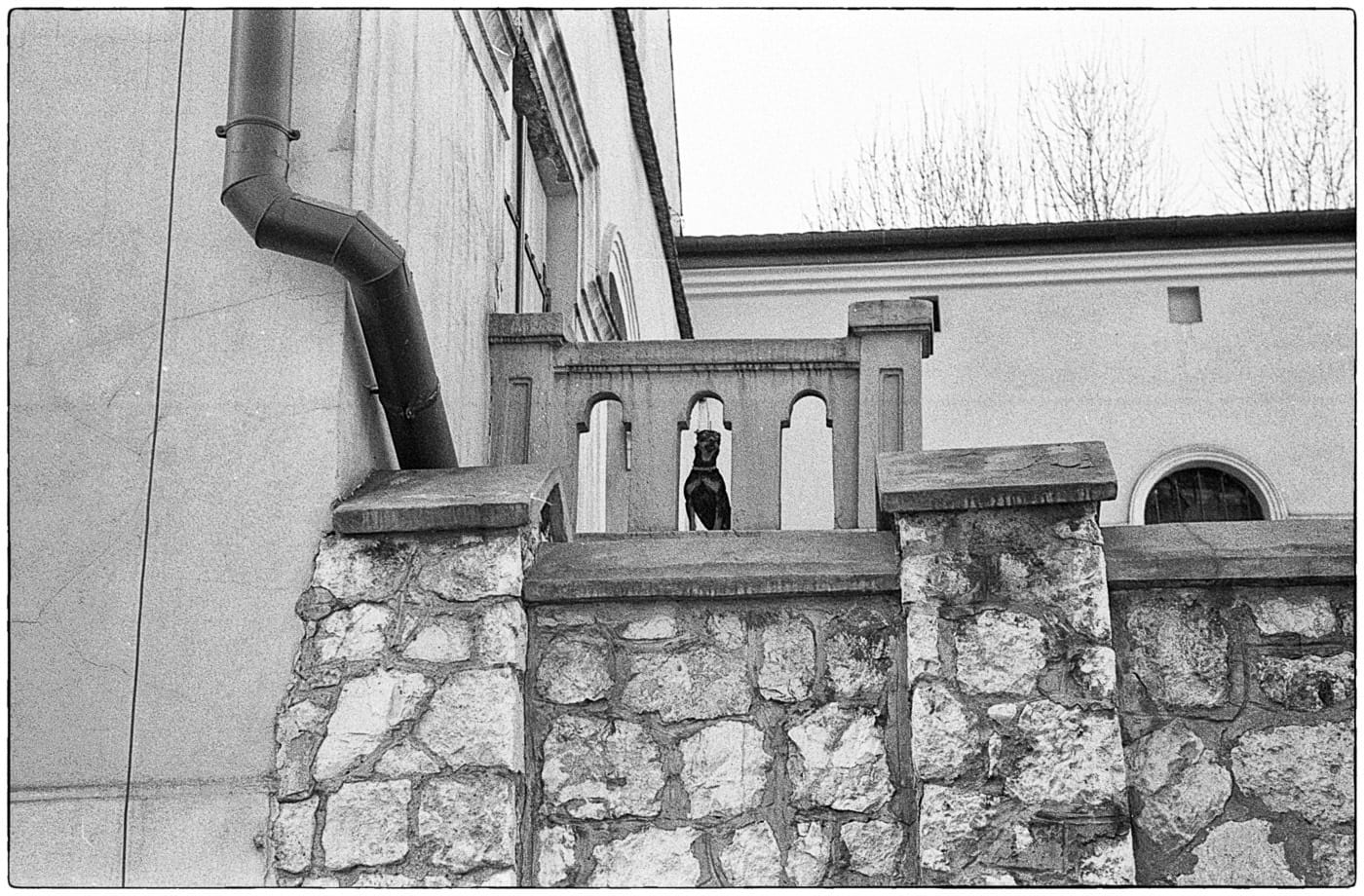
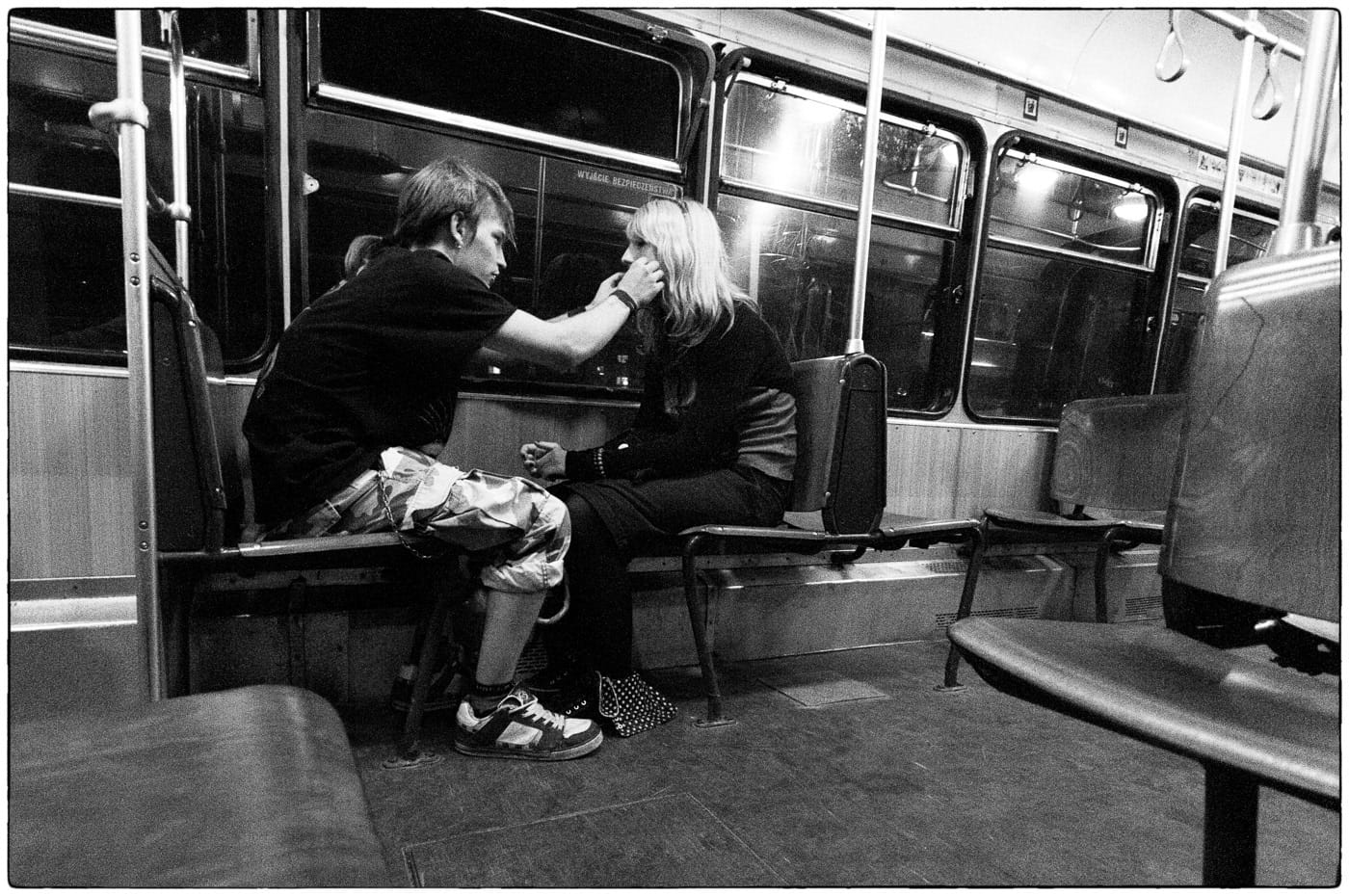
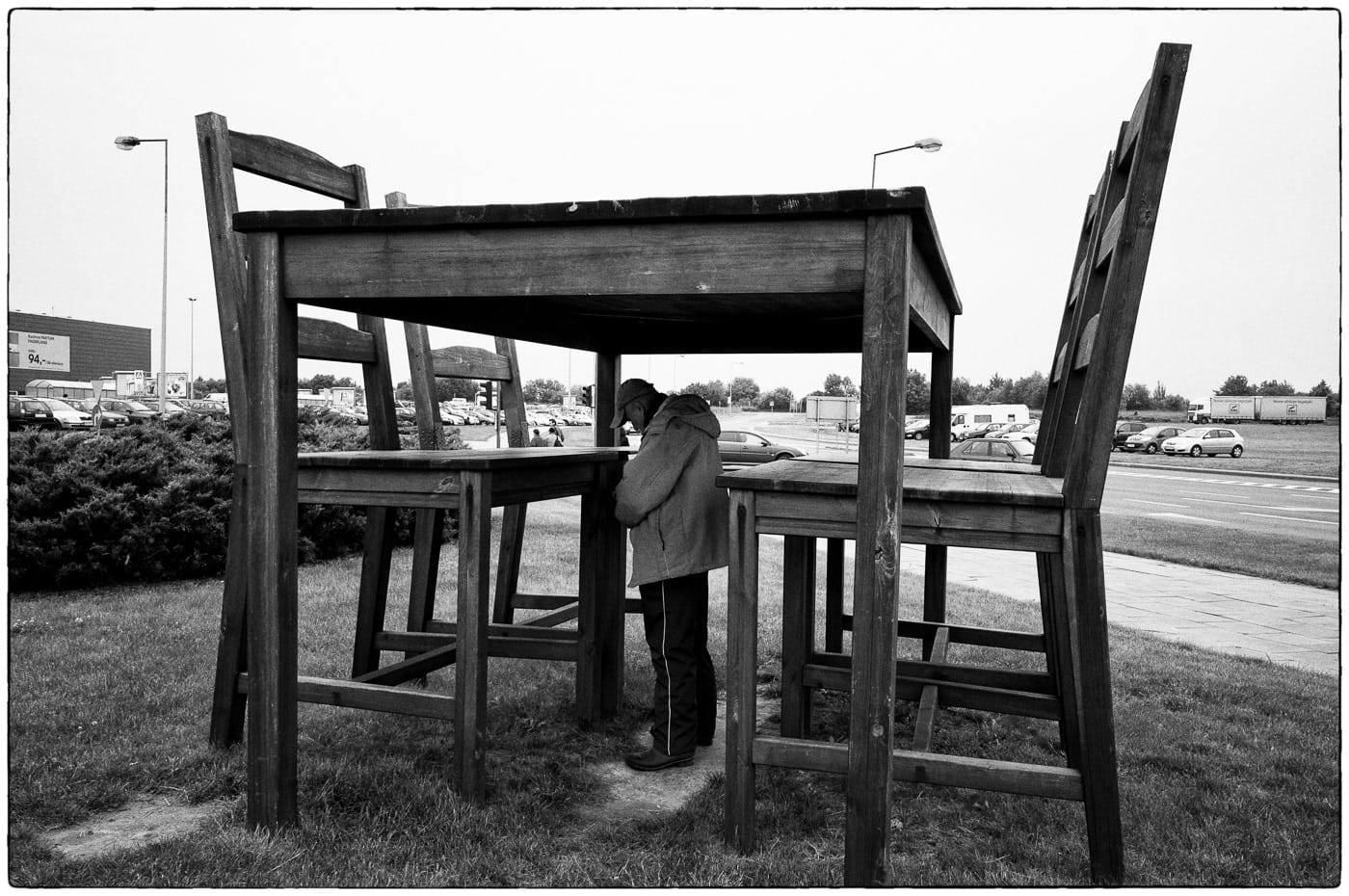
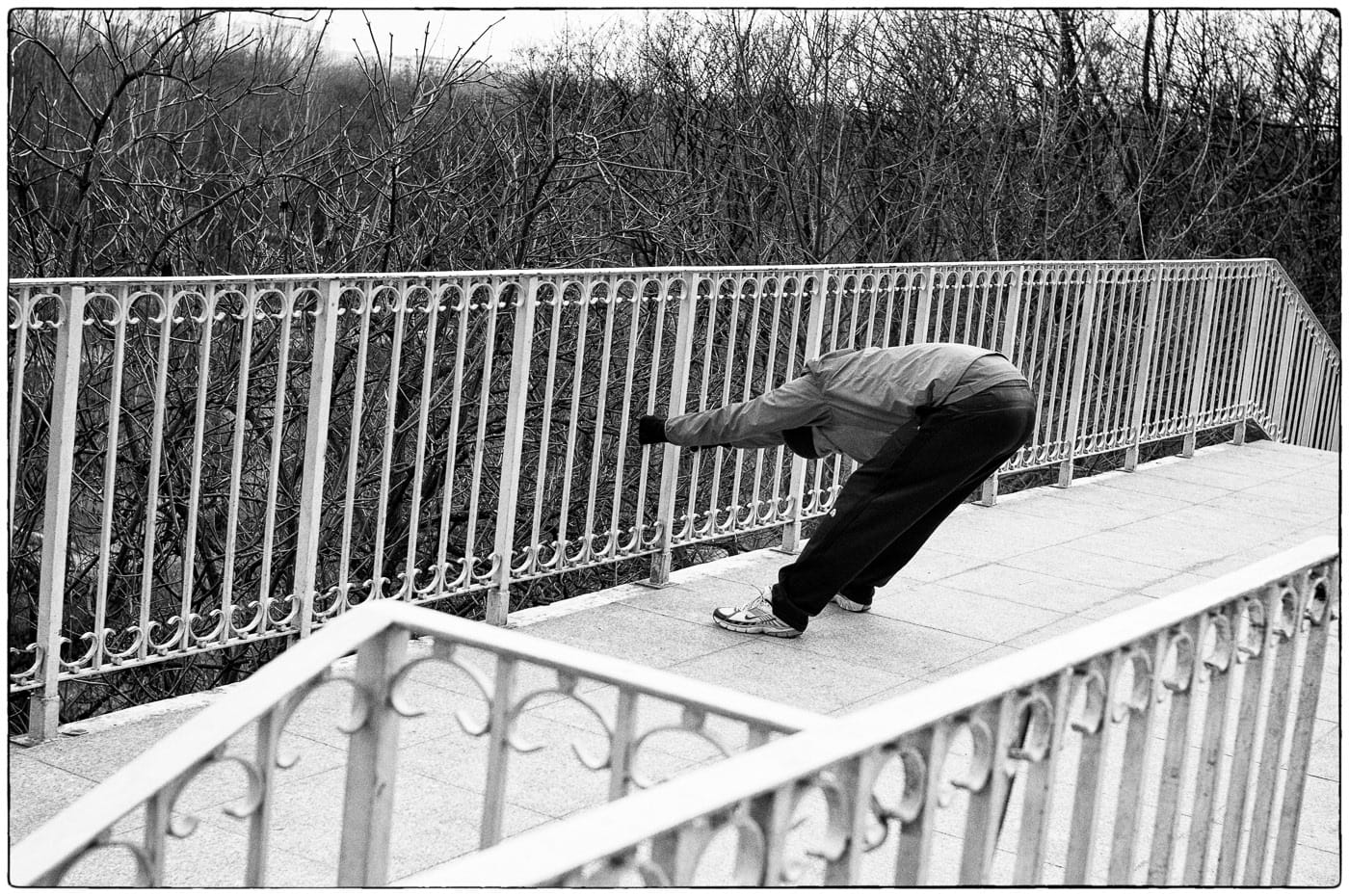
Years passed, and I started getting some results that I liked. I caught the rabbit once every hundred times I tried, which made me extremely happy. I had a small portfolio of images that I could be somewhat proud of. Then it occurred to me that, for all this time, I was heading towards a dead end. What do you do once you made a perfect photo of a dog, caught a multilayered randomness, snatched a perfect poster-to-person coincidence? Well, it simply means that you’ve finally done your exercise well enough for a passing grade. Nothing comes after that.
When asked about the meaning of their work, street photographers often claim that it has this significant documentary value (the human condition thing again), that they capture these fleeting moments – no one notices but them. One can agree or disagree, I am the one to disagree. For me, street photography is just an exercise in form, and it holds little documentary value. It lacks the intent that is paramount to documenting anything, and is extremely subjective; these fleeting moments we all seek on the street are often but a creation in a viewfinder, a collection of unrelated occurrences combined in the frame by the skilled photographer. The quirkiness, absurdity of situation, correlation of colours, shadow play, and all other tropes of street photography are just that; tropes that we use to construct our images, a formal exercise with little consequences.
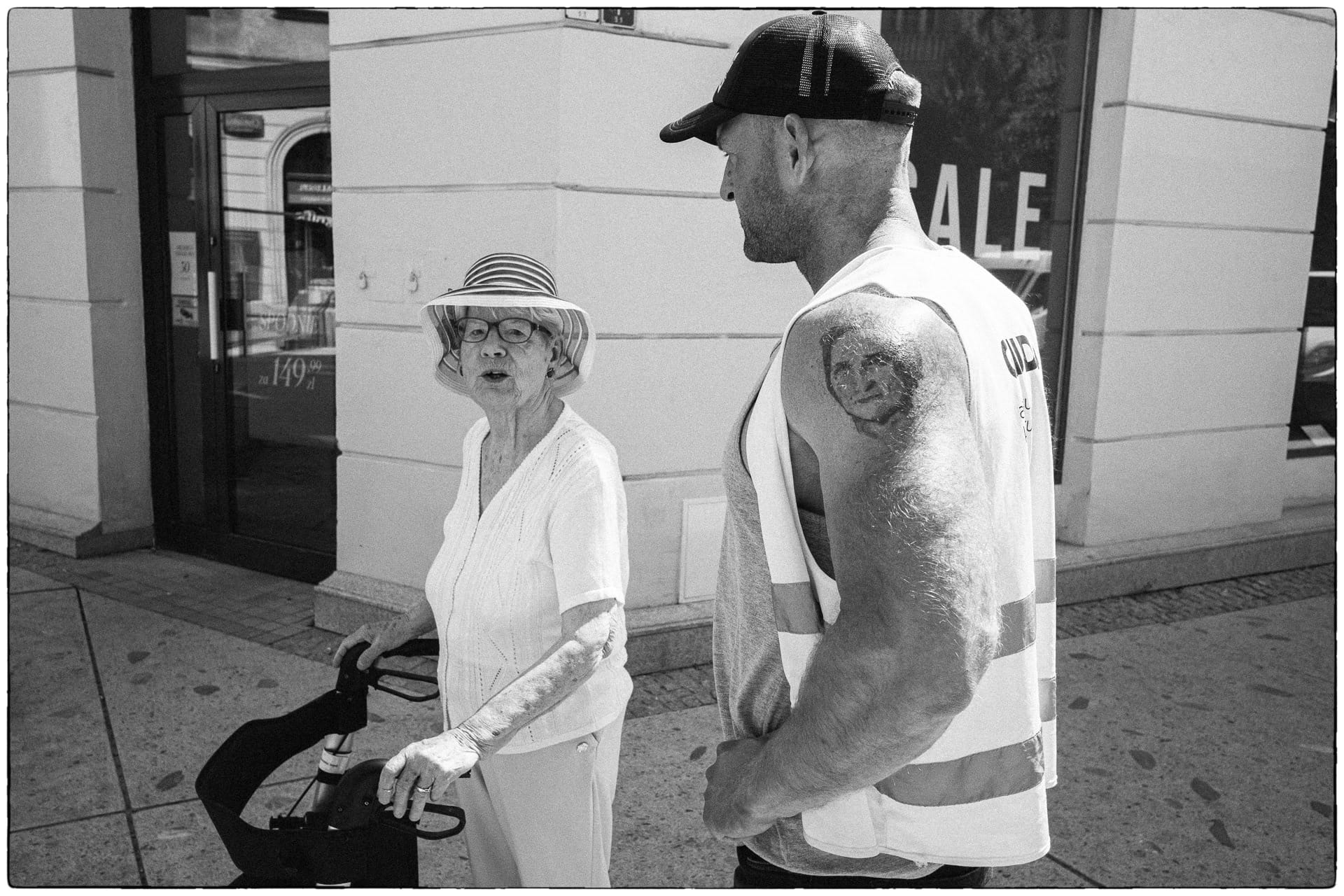
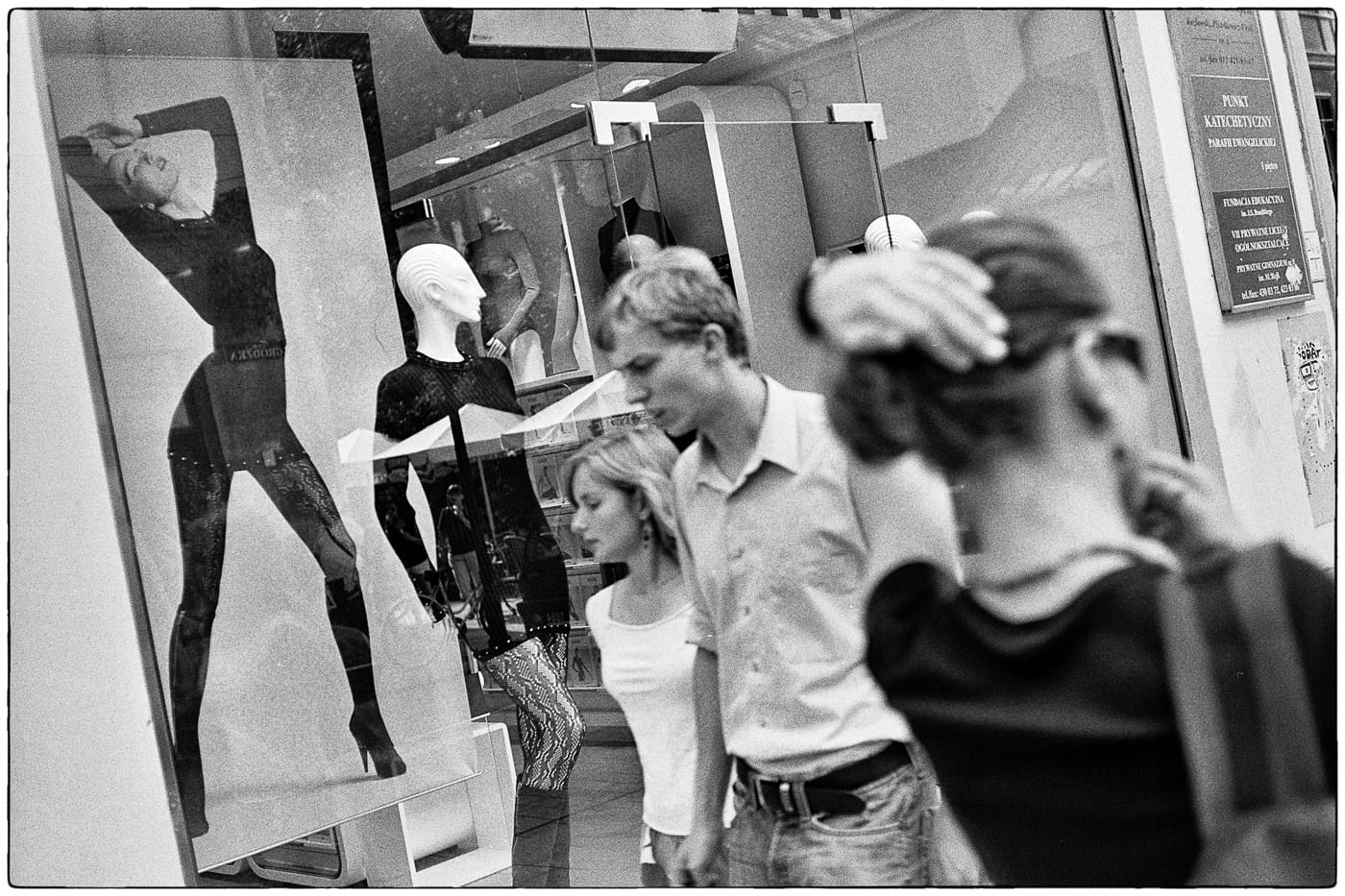
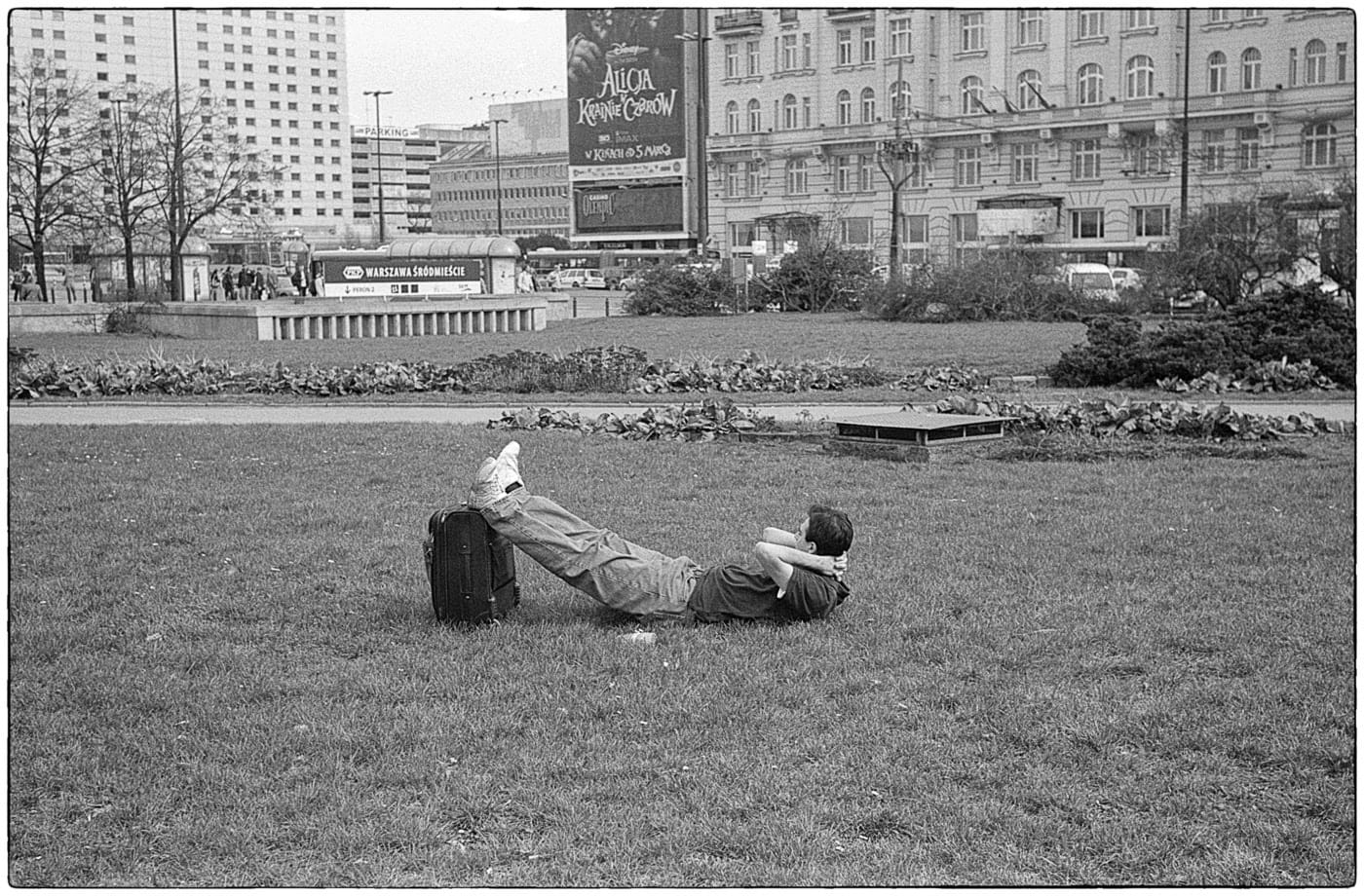
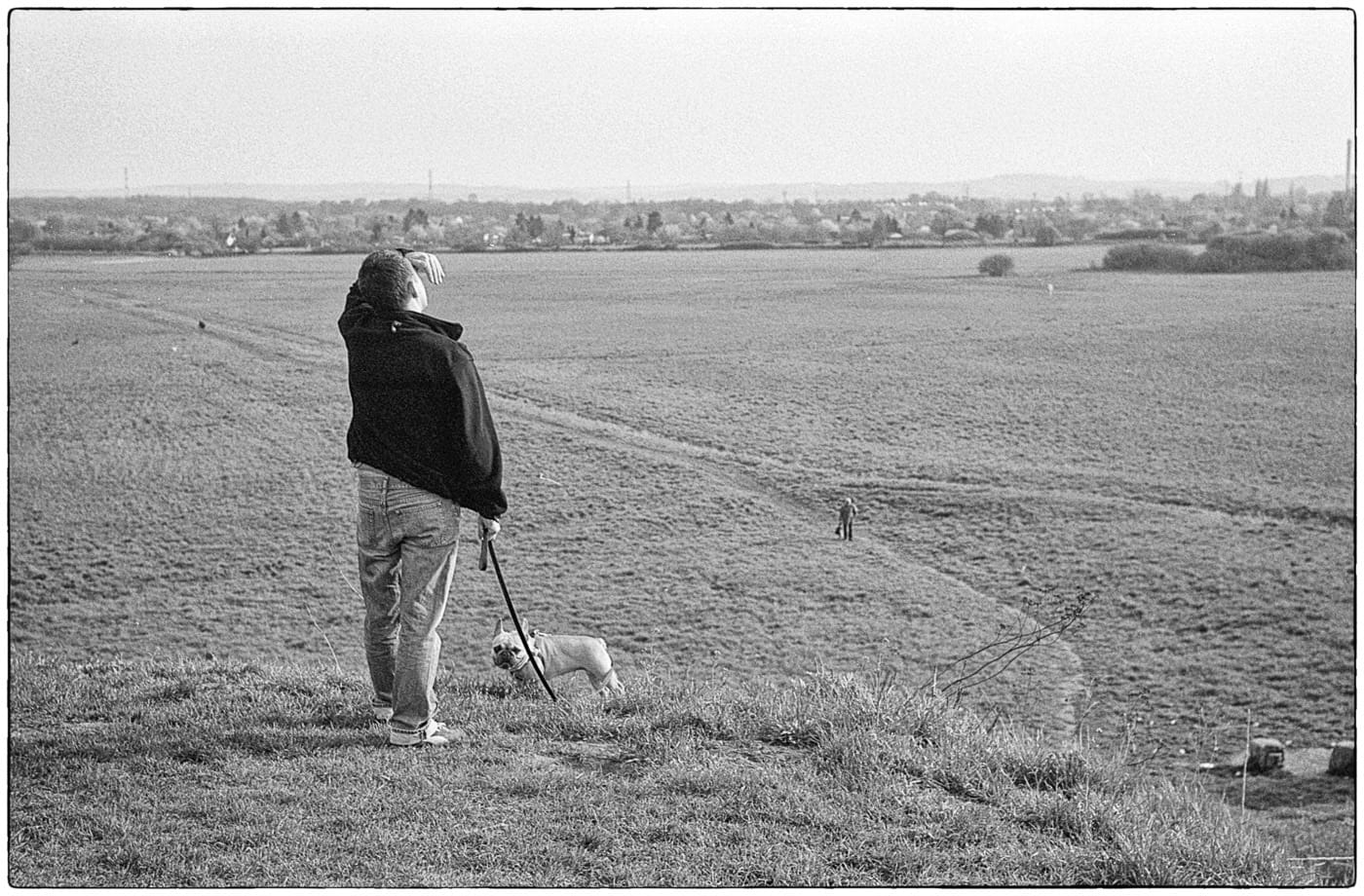
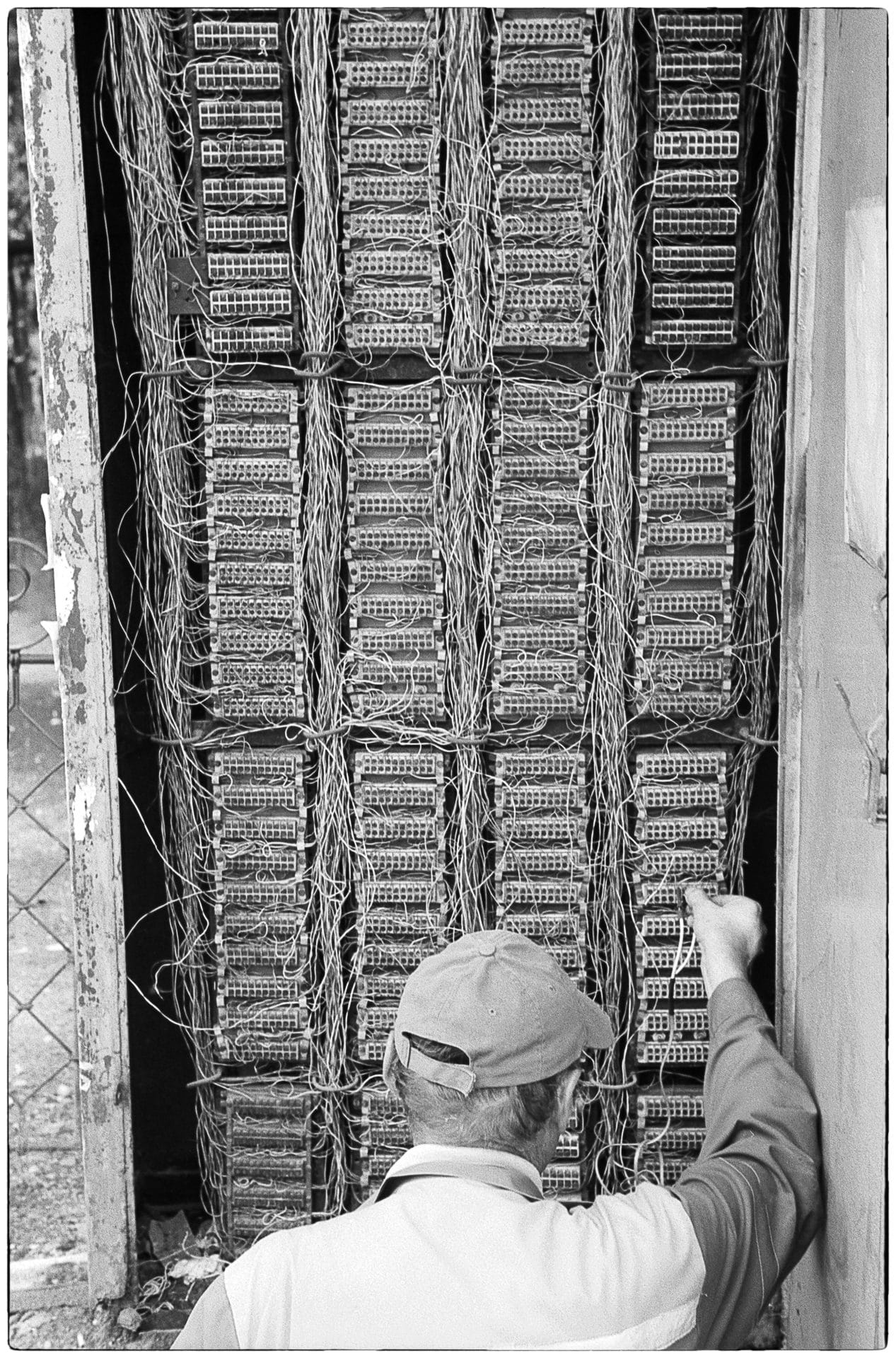
Now, does it mean I consider my years spent photographing on the street a waste of time? Absolutely not. Continuing to do so would be a waste of time, but I believe I had to go through all of this to understand that I want something more from my photography. I reached the wall, had to walk back, see a bigger picture, and find an exit. Street photography is a great playground for photographers who want to grow their skillset. You will learn how to see things, how to anticipate events, how to be close to other people and make photos of them without being noticed. I for sure did learn these things, but the real fun began when I started applying those skills elsewhere in my photography. This is where the skill meets the intent. When you pursue a documentary project, when you make a photo story, when you photograph your family. Now the photographs have a real meaning, they are no longer a formal exercise, but an intentional body of work.
Interestingly, when you dig deeper into the stories behind many street photography classics, you will realise that these “street photographs” are often taken out of their original documentary context. Documentary photography can be great street photography, but not the other way around. Form follows function, which is something we kind of forgot in this current era where instagram and youtube dictate the trends in photography.
So, go to the streets and learn the craft. Just don’t stay there forever.
Also, please don’t flash people, one Bruce is enough.
Till the next one!
Jakub